
Most visitors arrive at Hato Caves thinking solely about underground stalactites and sleeping fruit bats. Yet two of Curaçao’s most sobering human chapters unfolded right inside those dark limestone galleries and across the sunlit cactus trail beside reception. Long before electric lamps lit Hato’s stone halls in 1991, indigenous Caiquetio communities held sacred gatherings among these elevated overhangs. Centuries later, escaped enslaved people risked survival in pitch blackness below ground while hiding out from plantation patrols!
Essential Logistics & Takeaways
- Indigenous Heritage (1,500+ Years Old): Caiquetio (Arawak) Indians sheltered inside Hato Caves, used sections as ceremonial burial sites, and left ancient rock petroglyphs visible today.
- Colonial Refuge Soot Marks: During the 18th and 19th centuries, rebellious and escaped enslaved people hid inside deep dark passages for months at a time, leaving visible black cooking-fire soot along specific ceilings.
- Wheelchair-Friendly Loop: The self-guided Indian Trail runs 20 to 30 minutes over smooth paved paths outside the cave, remaining completely accessible for strollers and wheelchairs.
- Early Afternoon Closure: Park staff begin closing the Indian Trail around 2:45 PM daily (check full cave hours here).
Caiquetio Amerindians & Sacred Rock Art
Roughly 1,500 years before European ships reached the southern Caribbean, seafaring Caiquetio groups belonging to the wider Arawak language family inhabited Curaçao, Bonaire, and Aruba. For semi-nomadic island fishermen and cassava growers living across arid limestone coral scrub, elevated third-terrace caves like Hato offered rare refuge from fierce afternoon sun, torrential seasonal rains, and Atlantic storms.
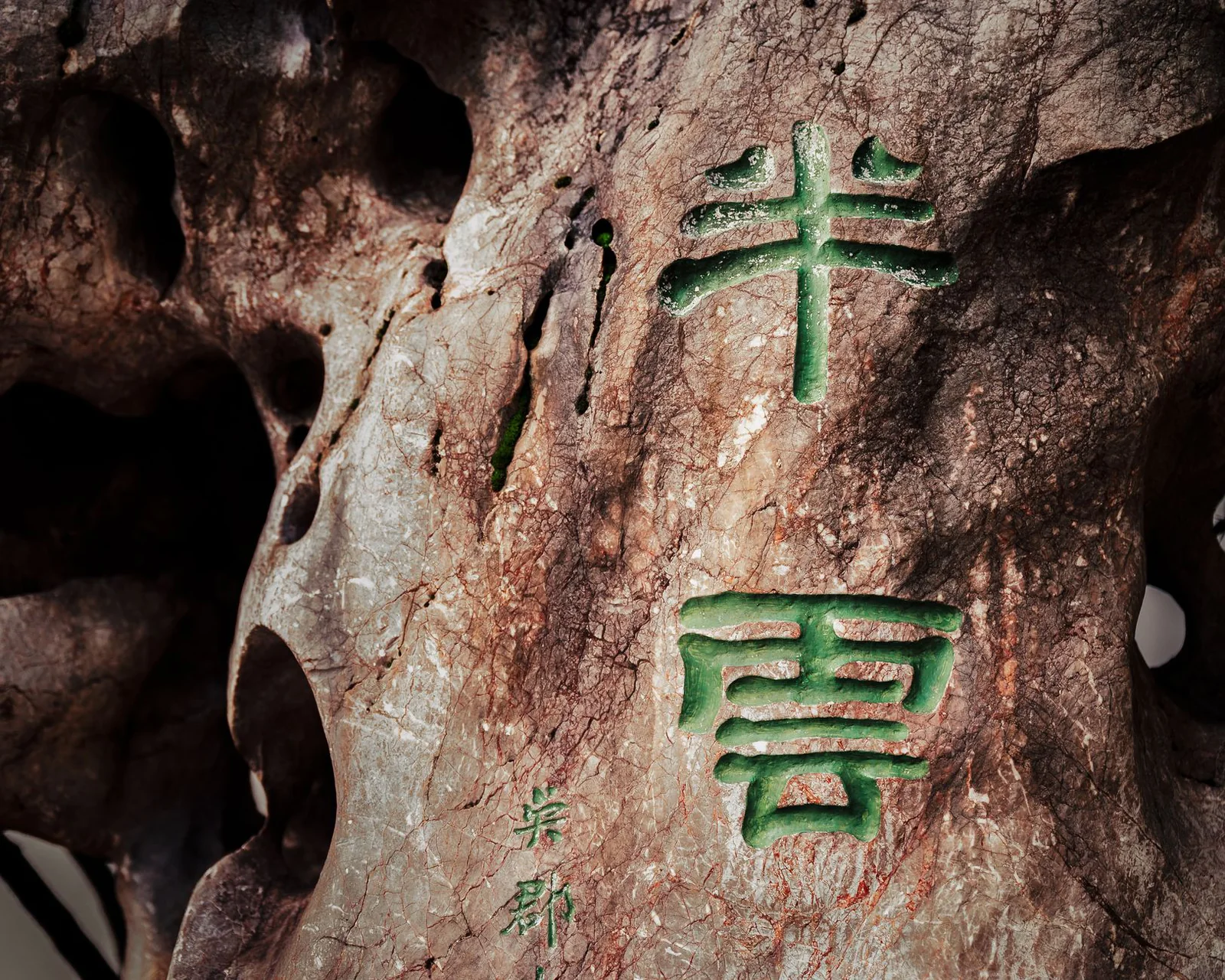
Archaeological fieldwork around Hato Caves reveals that Amerindians didn’t merely camp casually under stone eaves. Excavations and historical records show portions of the caverns served as sacred spiritual places and ceremonial burial grounds. High above coastal winds, shamans and elders inscribed geometric designs, spirals, stylized faces, and symbolic patterns directly onto limestone walls and sun-weathered boulders outside.
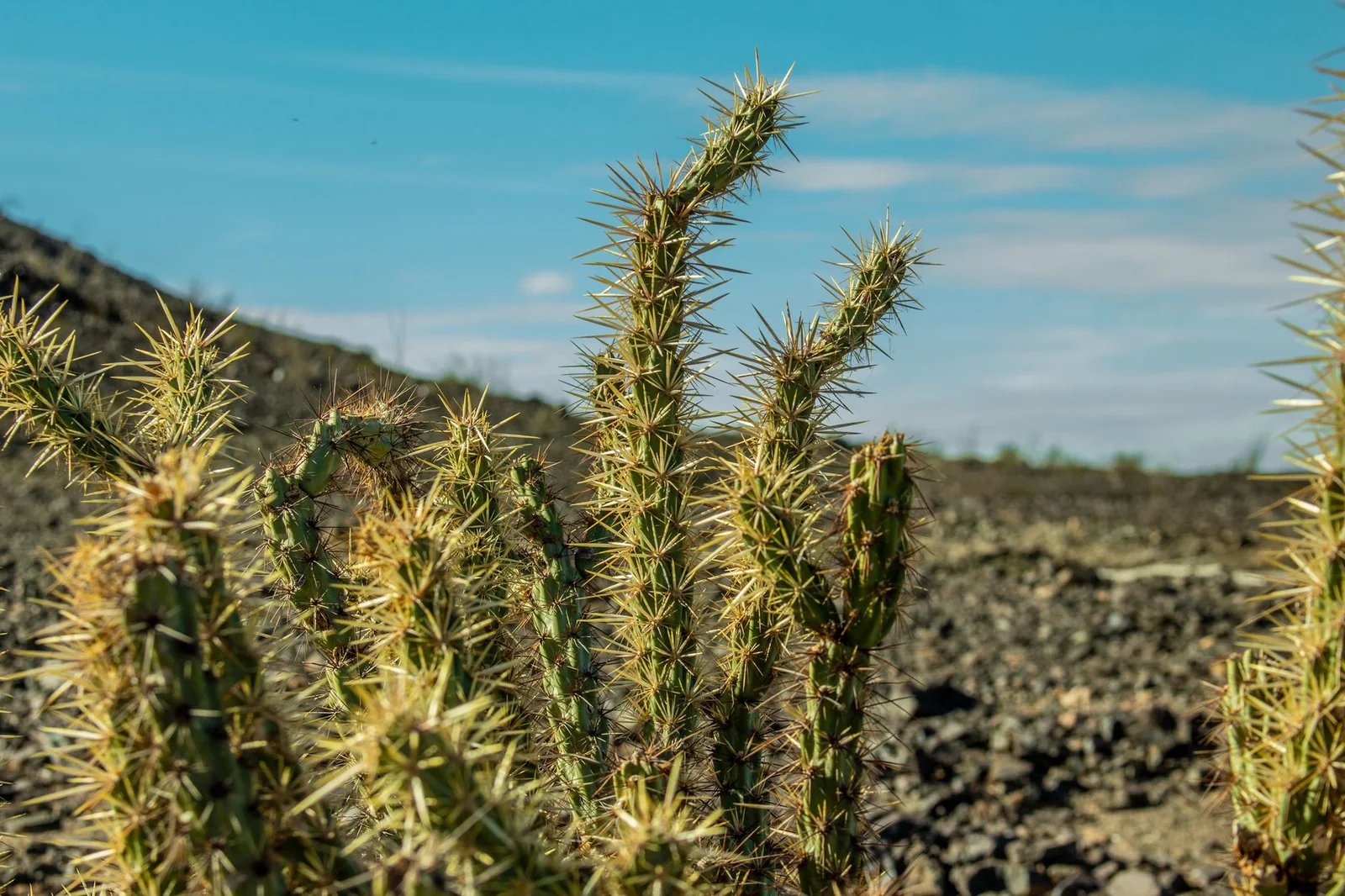
Where do you inspect those ancient carvings today without damaging rock surfaces? Step straight onto the Indian Trail bordering the hillside park loop! Walking slowly past towering kadushi cacti and prickly-pear clusters, check signed stone stations pointing toward preserved petroglyphs and drawings etched centuries ago by Caiquetio hands. Keep respectful distance behind viewing rails, never trace grooves with fingers or coins, and appreciate how dry island climate preserved faint mineral markings for over a millennium. Even tiny etched curves jump out clearly when morning side sunlight angles across rough gray coral stone!
Escaped Enslaved People & Black Ceiling Soot
Fast-forward across colonial centuries after Dutch West India Company settlers claimed Curaçao in the 17th century. Across dusty plantations (landhuizen) scattered across Banda Abou and central Curaçao, enslaved men and women labored under harsh rules. In 1795, led by freedom figure Tula, Curaçao witnessed a major island-wide uprising demanding liberty and human dignity.
During those turbulent 18th and 19th centuries, Hato Caves transformed from ancient Amerindian shelter into a desperate subterranean refuge. Escaped and rebellious enslaved people vanished silently up into the third-terrace scrub, slipping down dark side fissures where plantation trackers hesitated to follow with lanterns. Picture what living underground required day after day: months spent crouching far from daylight inside warm humid chambers (read our geology and cavern layout overview), drawing drinking water carefully from quiet subterranean drip pools like the Freedom Fountain, and risking tiny hidden cooking fires deep inside upper alcoves.
Look closely overhead when your guide aims a spotlight across darkened ceiling vaults inside the cavern today! Black carbon soot stains left behind from hidden cooking fires and pitch torches still mark specific ancient roofs centuries after those freedom seekers slipped back into the night. Seeing physical soot streaks beside natural calcite curtains turns a lighthearted afternoon excursion into a deeply grounded reflection on Curaçao’s resilience.
How did colonial guides and archaeologists preserve both indigenous and Afro-Curaçaoan evidence once modern tours launched? When the government prepared Hato Caves as a protected heritage show cave opening to visitors in 1991, walkways were poured carefully below soot ceilings and away from delicate mineral shelves, leaving original fire marks intact overhead rather than scrubbing stone clean.
Walking the Paved Indian Trail Loop
Don’t skip the outdoor loop assuming it is merely a short gift-shop garden! Taking 20 to 30 unhurried minutes along the self-guided Indian Trail delivers three unexpected rewards even if someone in your family cannot climb the 49 cave steps:
- Smooth Wheelchair & Stroller Paving: Because Hato’s outer trail winds gently across paved ground-level walkways rather than rocky stairways, wheelchair users, mobility-scooter riders, and families pushing strollers enjoy full outdoor access while companions tour the cave above.
- Native Curaçao Flora & Reptiles: Notice interpretive tags identifying medicinal wayaká trees, wild calabash, aloe vera, and spiny kadushi cacti alongside bright blue-tailed blausana lizards and green iguanas sunning patiently atop limestone ledges. Watch quietly near warm boulders and you will frequently catch three-foot green iguanas perched calmly inches from shaded cactus arms!
- Panoramic Coastal Breezes: Shaded resting points look out toward Curaçao’s rough northern shore and passing aircraft descending gracefully toward neighboring CUR Airport.
Just watch the clock carefully! Park staff close access gates along the outdoor Indian Trail around 2:45 PM (15 minutes before the final 3:00 PM guided cave departure). Guests planning late-afternoon arrivals via rental car or Bus 4B should walk the Indian Trail first around 2:15 PM before stepping into the final 3:00 PM cavern group!
Comparing Hato’s Living History With Downtown Museums
Travelers balancing an afternoon in Willemstad often ask whether Hato Caves overlaps with downtown heritage stops like the Kura Hulanda Museum in Otrobanda. Not at all! Downtown museums chronicle transatlantic voyages, urban architecture, and colonial trade artifacts behind climate-controlled display cases. Hato Caves places you physically inside the rugged limestone hiding places where escaped rebels actually cooked over tiny wood fires and where Caiquetio communities inscribed coastal boulders a thousand years prior. Walking both on separate days paints an unforgettable portrait of island survival.
Practical Comfort Tips Along the Cactus Path
Unlike the shaded cave vault, Curaçao’s outdoor cactus park sits open under bright trade-wind sun. Pull on a wide-brimmed hat, apply mineral sunscreen before stepping out of reception, and carry fresh bottled water even for a 25-minute stroll. Notice how dry rocky outcrops bounce bright equatorial heat straight upward around midday; walking the loop right at 9:00 AM or right after leaving a 10:00 AM cavern walkthrough feels dramatically cooler than starting at 1:30 PM.
If someone in your travel group waits comfortably downstairs using a wheelchair or walker while others climb the 49 stone steps, the shady reception patio and smooth paved trail loop keep everyone engaged together rather than waiting passively in a parked car. Look closely beside wooden resting benches too. Bright emerald iguanas and agile blausana whiptail lizards dart across flat rock corners whenever hikers stand calmly for thirty seconds. Children enjoy spotting lizards almost as much as counting cactus blooms along the curved hillside loop, making this sunny outdoor circuit genuinely rewarding for every generation in your travel party!
Pairing Heritage With Half-Day Coastal Sightseeing
Once you finish both the 45-minute underground walk and the 25-minute Indian Trail, check how early afternoon shapes up. Because Hato Caves sit neatly along the northern corridor leading out toward Banda Abou, most independent drivers and cruise ship visitors pair morning history cleanly with afternoon wildlife and beach time. Hop twenty minutes west for wild Caribbean flamingos wading beside Sint Willibrordus salt pans and crystal swimming at Kokomo Beach, or join a bundled excursion from our tickets and tours directory linking caves directly to Playa Piskado sea turtles and Grote Knip!
Traps, Restrictions & Tourist Realities
- Walking the Indian Trail Without Sun Protection or Water: Unlike the shaded cave interior, the outdoor cactus loop sits largely exposed under bright midday sun; carry water and apply sunscreen before stepping onto the path.
- Arriving at 2:55 PM Hoping to Do Both Cave and Trail: At 2:55 PM the Indian Trail is already shutting down; arrive no later than 2:15 PM to experience both peacefully.
- Touching or Rubbing Petroglyphs for Photos: Oils and abrasion wear faint ancient rock lines away rapidly; shoot strictly from designated paved viewing lines without leaning across rocks.